
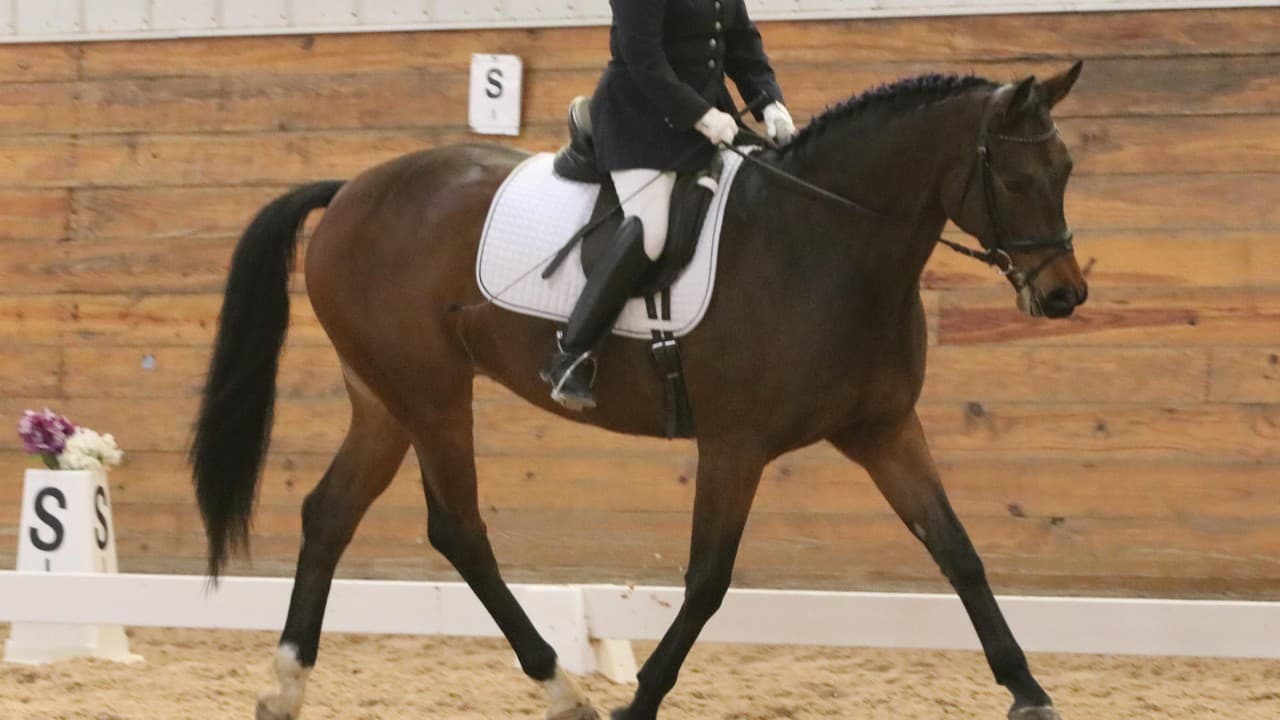
The 23-30% Improvement: What Daily Turnout Really Delivers
When dressage horses receive consistent daily turnout, they demonstrate 23-30% improvement in ridden behavior and focus within just 4-6 weeks. This isn't anecdotal evidence from casual observers. It's measurable data that challenges the misconception that pasture time undermines serious training. In reality, daily turnout accelerates your horse's progression through the levels by building the physical and mental foundation that classical training principles demand.
You might assume that keeping your horse in the arena or indoor school maximizes training time, but this approach often creates the very obstacles that slow your progress. Lightness, harmony, and balance require a horse that moves freely through his body, thinks clearly under pressure, and maintains emotional equilibrium during challenging work. These qualities develop most effectively when your horse experiences natural movement patterns, social interaction, and mental relaxation that only pasture turnout provides.
Classical masters understood this connection intuitively. They recognized that dressage training works with the horse's natural athleticism rather than against it. Daily turnout doesn't compete with your training program. It amplifies every element of classical development, from basic suppleness through advanced collection, by ensuring your horse brings his best physical and mental state to each ride.
How Pasture Time Builds the Physical Foundation for Lightness and Balance
The physical benefits of dressage horse turnout extend far beyond simple exercise. When your horse grazes naturally, the forward and downward head position activates the same deep abdominal muscles essential for engagement and throughness under saddle. This grazing motion strengthens the muscle chains that support collection, creating a direct translation between pasture time and improved performance in the arena.
Horses receiving 3-4 hours of daily turnout demonstrate 15-20% better proprioception and balance in lateral work compared to their stall-kept counterparts. This improvement stems from constant micro-adjustments your horse makes while navigating uneven terrain, negotiating social dynamics, and maintaining balance during natural play behaviors. These same stabilizing reflexes enhance your horse's ability to carry himself correctly through shoulder-in, haunches-in, and half-pass movements.
The hindquarter and core development that occurs during turnout directly supports advanced classical movements. Pasture time naturally strengthens the stabilizer muscles required for piaffe and passage, while the varied movement patterns improve the flexibility and strength needed for flying changes and pirouettes. Grass-fed turnout increases hoof quality and growth rate by approximately 12% annually, reducing the lameness-related training interruptions that derail consistent progression through the levels.
This physical foundation aligns perfectly with classical training principles. When your horse possesses natural strength, balance, and soundness, he can more readily achieve the lightness and harmony that define correct dressage. Rather than forcing collection through restrictive training methods, you're working with a horse whose body already understands how to carry himself correctly.
The Behavioral Transformation: Eliminating Obstacles to Training Progress
The psychological benefits of turnout create equally dramatic improvements in your training outcomes. Pasture turnout reduces stereotypic behaviors like weaving, cribbing, and box walking by up to 85% in stabled dressage horses. These behaviors don't just indicate stress; they actively interfere with your horse's ability to focus, learn, and perform under saddle. When you eliminate these mental distractions, your horse becomes significantly more receptive to classical training methods.
Horses with consistent pasture access show 25% fewer behavioral training setbacks and spooking incidents during rides. This improvement reflects the confidence and emotional stability that develop when horses experience natural social interaction and environmental enrichment. A horse who feels secure in his daily routine brings that same emotional equilibrium to challenging training sessions, allowing you to progress more quickly through demanding movements and exercises.
Competition data reveals that dressage horses with regular pasture access maintain 18% lower cortisol levels during shows, indicating reduced anxiety and stress. This physiological change translates directly into improved test scores and more consistent performance under pressure. Your horse's ability to maintain classical principles of harmony and balance becomes far more reliable when his baseline stress levels remain low.
Most significantly, horses demonstrate measurable improvement in acceptance of contact within 3-4 weeks of beginning consistent turnout programs. This behavioral shift accelerates progression through Training Level and beyond, as your horse more readily accepts the foundational elements of classical dressage without resistance or tension.
Breaking Training Plateaus: Why Turnout Accelerates Competitive Progression
Training plateaus frustrate every serious dressage rider, but daily turnout reduces these stagnant periods by 35%. The physiological explanation centers on improved cardiovascular fitness and recovery capacity. Horses with consistent pasture access maintain resting heart rates that are 8-12 beats per minute lower than stall-kept horses, indicating superior baseline fitness that supports more intensive training sessions.
This cardiovascular advantage allows competitive dressage horses on turnout programs to achieve peak performance 2-3 weeks earlier in seasonal training cycles. When your horse recovers more efficiently from demanding work, you can maintain consistent training intensity without the extended rest periods that interrupt skill development. The result is compressed preparation timelines and optimal timing for major competitions throughout the year.
The varied movement patterns during turnout also prevent the muscular imbalances that often create training plateaus. When your horse moves freely in multiple directions, speeds, and gaits during pasture time, he maintains the physical versatility that classical training requires. Stall confinement, by contrast, often leads to restricted movement patterns that limit your horse's ability to progress through increasingly demanding exercises.
Horses receiving 2+ hours of daily turnout show 30% faster recovery times after intense training sessions or competitions. This enhanced recovery capacity means you can maintain higher training standards without compromising your horse's physical or mental well-being, creating the consistent progression that leads to competitive success at upper levels.
The Financial Case: Reduced Injury, Lower Veterinary Costs, Better Outcomes
Beyond performance benefits, dressage horse turnout delivers measurable economic advantages that support long-term competitive goals. Turnout-inclusive training programs reduce veterinary costs by 20-30% annually through injury prevention and improved joint health. These savings stem from the natural movement patterns that maintain soundness and the reduced stress levels that support immune function.
Daily turnout reduces colic incidence by approximately 40% compared to 24-hour stalling protocols. Colic episodes don't just threaten your horse's health; they create training interruptions that can derail months of careful preparation for important competitions. When you minimize these medical emergencies, you maintain the consistency that classical training demands.
The improved hoof quality associated with turnout reduces farrier costs and lameness-related training delays. Horses with access to varied terrain develop stronger, more resilient hooves that better withstand the demands of intensive dressage training. This foundation of soundness allows you to pursue classical training principles without the constant concern about minor injuries or chronic lameness issues.
These financial benefits compound over time, making turnout an investment in your horse's long-term competitive viability rather than an additional expense. When you factor in reduced veterinary bills, fewer training interruptions, and accelerated progression through the levels, daily pasture access pays for itself while supporting the harmony and balance that define classical dressage.
Implementing Turnout at Full Cry Farm: Classical Training in Practice
At Full Cry Farm, we integrate daily turnout into every individualized training program because our 50+ years of experience confirm what the data demonstrates: pasture time accelerates rather than hinders classical dressage development. Leslie McDonald's expertise as a USDF Gold, Silver, and Bronze medalist includes understanding how natural movement patterns support the lightness, harmony, and balance that define correct training.
Our approach recognizes that classical training principles work best when your horse brings optimal physical and mental condition to each session. We design turnout schedules that complement your horse's training level and competitive goals, ensuring that pasture time enhances rather than conflicts with your progression through the levels. Whether you're developing basic suppleness at Training Level or refining collection for FEI work, consistent turnout provides the foundation that makes classical methods more effective.
Social turnout with compatible herd mates particularly benefits sensitive or anxious horses, improving confidence and ridden demeanor in ways that purely technical training cannot achieve. We carefully manage these interactions to ensure positive experiences that translate into improved performance under saddle.
The integration of turnout with classical training isn't a modern compromise; it's a return to the holistic approach that produced the great horses of classical tradition. When you provide your horse with natural movement, social interaction, and mental stimulation, you create the conditions that allow classical principles to flourish rather than forcing artificial compliance through restrictive management.
Begin implementing structured turnout protocols immediately: aim for 3-4 hours minimum daily pasture access, monitor your horse's behavioral and physical responses, and adjust timing to complement your training schedule. Track measurable improvements in focus, suppleness, and acceptance of contact over the next 4-6 weeks to confirm the transformation that consistent turnout delivers.