
The Case Against Speed: Why Slow Training Actually Wins
You want results fast. Every rider does. But here's what the industry doesn't want you to know: the classical dressage training timeline of 5-7 years from Training Level to FEI isn't holding you back, it's setting you up for unprecedented success. While quick-fix training methods promise faster advancement, they deliver retention rates of just 40-50%. Classical training partnerships, by contrast, maintain 85% retention rates with horses enjoying longer, sounder careers.
The tension is real. You invest $500-$2,500+ per month in quality instruction, watching other riders seemingly advance faster through shortcuts and forced progression. Meanwhile, your classical instructor talks about patience, proper foundation, and respecting the horse's natural development timeline. The approach feels frustratingly slow until you realize the math: that Grand Prix horse represents over 10,000 hours of cumulative training investment, and there's simply no way to compress that learning without compromising the foundation that makes sustainable success possible.
This isn't about settling for less. This is about understanding that the classical dressage training timeline produces superior horses, stronger partnerships, and dramatically better long-term outcomes. The question isn't whether you can afford to wait 5-7 years. The question is whether you can afford not to.
Understanding the 5-7 Year Classical Progression
The classical progression follows a predictable timeline that reflects the horse's physical and mental development needs. Training Level to First Level typically requires 12-18 months with quality instruction and four or more rides per week. This foundational phase establishes rhythm, suppleness, and basic contact: the building blocks that support everything that follows.
Second Level demands an additional 18-24 months beyond First Level. Here, you're developing true impulsion and beginning collection while maintaining the suppleness established earlier. The horse learns to carry more weight behind, engage the hindquarters, and develop the strength necessary for more advanced work. Rushing this phase creates hollow, tense horses that hit walls at higher levels.
Third Level and above require 2-3 years per level due to the exponential increase in complexity. Collection, self-carriage, and advanced movements like flying changes and half-passes demand sophisticated coordination between horse and rider. The Scales of Training (rhythm, suppleness, contact, impulsion, straightness, and collection) require sequential development over years, not months. Each scale builds upon the previous one, creating a pyramid of understanding that cannot be accelerated without compromising structural integrity.
This timeline isn't arbitrary. The progression reflects the reality that developing true collection and advanced movements requires systematic, progressive training that respects the horse's learning capacity and physical development. When you understand this progression as essential rather than optional, the classical dressage training timeline becomes your roadmap to sustainable success.
The 10,000-Hour Investment: Building True Collection
A Grand Prix horse represents more than 10,000 hours of cumulative training investment over its career. This isn't just riding time. The total includes groundwork, lunging, conditioning, and the countless repetitions required to develop muscle memory and neural pathways. Muscle memory and neural pathway development in horses require a minimum of 10,000 repetitions of specific movements for automaticity.
True collection (the hallmark of advanced dressage) cannot be rushed or forced. The horse's optimal collection development window occurs between ages 10-12, when the musculature and mental capacity align for sophisticated work. This biological reality explains why even horses starting young still need years to reach FEI levels. The body and mind must develop together, creating the strength, balance, and understanding necessary for advanced movements.
Consider what collection actually requires: the horse must shift its center of gravity backward, engage the hindquarters, elevate the forehand, and maintain this challenging posture while performing complex movements. This level of athletic development takes time. Just as a human athlete needs years to develop Olympic-level strength and coordination, horses need systematic conditioning to perform at FEI levels safely and sustainably.
The investment is non-negotiable. Attempting to shortcut this development creates horses that may appear advanced but lack the foundation for long-term success. They break down physically, develop training problems, or hit performance plateaus that require going back to basics, ultimately taking longer than the classical progression would have required.
Age Matters: Why Young Horses Progress Faster (But Still Need Time)
Horses trained classically from young ages of 4-6 years old progress 30-40% faster than horses starting training at 7+ years old. Young horses have greater neuroplasticity, making them more adaptable to new concepts and physical demands. Their bodies are also more malleable, allowing for easier development of correct muscle patterns and movement mechanics.
However, this advantage doesn't mean young horses reach FEI levels significantly faster. They simply compress certain phases of the timeline. Even accelerated young-horse programs still require a minimum of five years to reach Prix St. Georges level safely. The physical and mental development necessary for advanced work cannot be rushed beyond certain biological limits, regardless of when training begins.
The horse's peak athletic performance window for dressage spans ages 8-15, with optimal collection development occurring between ages 10-12. This timeline aligns perfectly with the classical training progression. A horse starting at age 4 reaches its collection development window just as it's ready for Third Level and above, exactly when the classical timeline predicts.
Starting older horses isn't a disadvantage. Rather, it's a different path. These horses often bring life experience and mental maturity that can accelerate certain aspects of training. They may take longer to develop the physical suppleness of younger horses, but they often understand the work more quickly once they grasp the concepts.
What Eventers Gain in 6-8 Months: Measurable Classical Training Results
Classical training delivers faster measurable results than most people realize. Eventers improving their dressage scores through classical training typically see significant improvements (5 to 10 point gains) within 6-8 months of consistent work. These improvements reflect the immediate benefits of correct basics: better rhythm, improved suppleness, and more honest contact.
The key lies in understanding what classical training addresses first. Rather than drilling movements, classical instruction focuses on the horse's way of going: how it carries itself, uses its body, and responds to the aids. These fundamental improvements show up immediately in competition scores, even at lower levels.
You might not see flying changes in six months, but you'll see a horse that moves with better balance, accepts the bit more honestly, and demonstrates improved self-carriage. These changes translate directly to better scores across all movements, creating momentum and confidence that supports long-term development.
This measurable progress bridges the gap between the perception that classical training is "slow" and the reality that it produces immediate improvements in horse and rider partnership. The difference is that classical training builds sustainable improvements rather than quick fixes that plateau or deteriorate under pressure.
The Cost of Cutting Corners: Why Classical Training's Timeline Protects Your Investment
The numbers tell a compelling story. Classical training partnerships maintain 85% retention rates compared to 40-50% for non-classical approaches. Quality classical training reduces lameness and soundness issues by approximately 60% compared to rushed or forced training methods. When you consider that classical training costs $500-$2,500+ per month, the timeline becomes insurance against far greater losses.
Horses trained through accelerated methods often hit walls at Second or Third Level, requiring months or years of retraining to correct fundamental problems. Some never recover from the damage caused by forced progression, ending their competitive careers prematurely. The financial cost of starting over (or worse, dealing with chronic soundness issues) far exceeds the investment in proper classical development.
The timeline also protects the horse's athletic longevity. Horses developed through classical principles often compete successfully into their late teens, while those pushed too quickly frequently burn out or break down by age 12-14. This extended career span multiplies the return on your training investment, providing more years of successful competition and partnership.
Most importantly, the classical timeline protects the partnership itself. Horses developed with patience and respect become willing, confident partners who enjoy their work. This psychological soundness is invaluable and impossible to recreate once damaged by forced training methods.
Your Path Forward: Committing to the Classical Timeline
Your journey from Training Level to FEI should be planned as a 5-7 year commitment minimum. This timeline isn't a limitation; it's a roadmap to sustainable excellence that honors both classical training principles and your horse's natural development. When you embrace this timeline, you're choosing lightness, harmony, and balance over quick fixes and shortcuts.
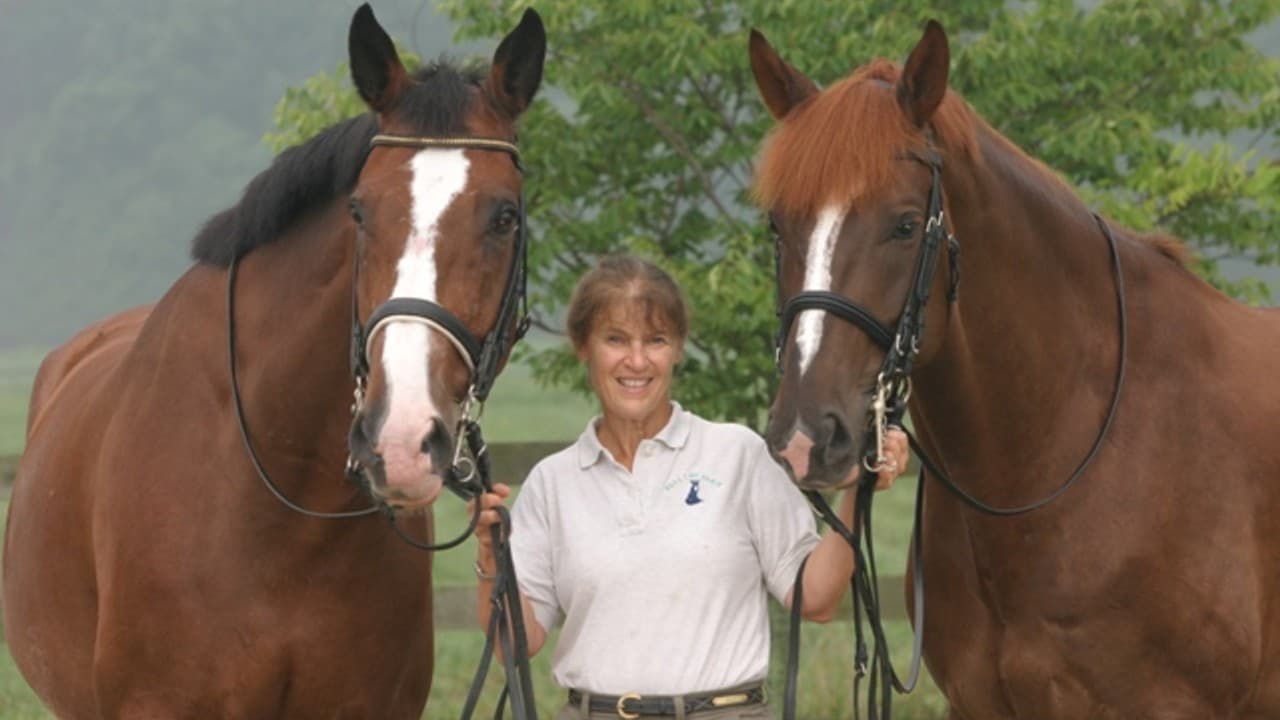
The classical dressage training timeline reflects the wisdom of centuries of horsemanship, refined by masters who understood that true partnership cannot be rushed. At Full Cry Farm, Leslie McDonald's over 50 years of professional experience confirms what classical masters have always known: patience produces superior results that stand the test of time.
Plan your training budget and goals around this timeline. Expect Training to First Level to take 12-18 months, Second Level another 18-24 months, and 2-3 years for each level beyond that. This isn't slow; it's systematic, sustainable, and ultimately faster than methods that require starting over when foundations prove inadequate.
Begin your classical journey today by assessing where you and your horse currently stand in this progression. Whether you're an eventer seeking dressage improvement or a dedicated dressage rider pursuing FEI dreams, the timeline remains your ally, not your enemy. Embrace these classical training principles, commit to the proven timeline, and discover what true lightness, harmony, and balance can achieve in your partnership.