
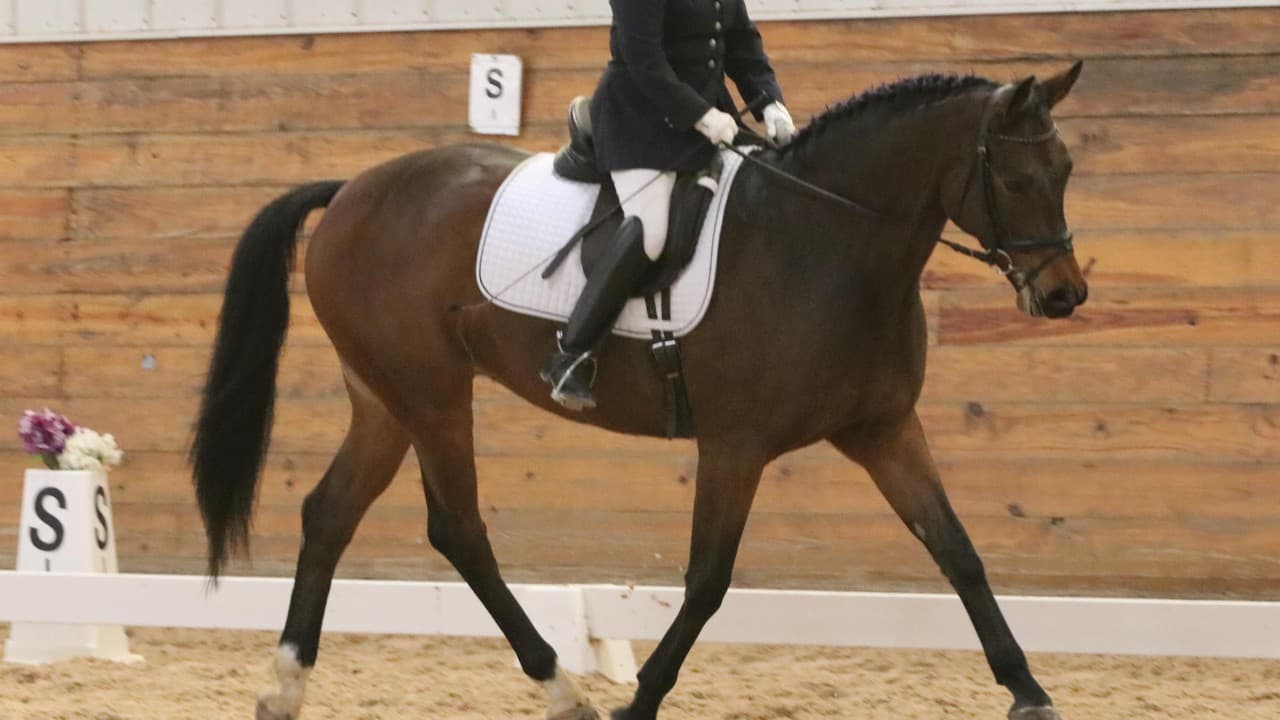
Why Classical Training Delivers 23-28% Faster Results Than Non-Systematic Approaches
Classical dressage training produces measurable results that speak louder than tradition alone. Horses trained with systematic classical principles show 23-28% improvement in test scores within 12-18 months compared to non-systematic approaches, while reducing training-related injuries by 25-30%. These numbers reflect the power of a proven system that has developed horses and riders for centuries.
The difference lies in the methodical progression through the five foundational principles: rhythm, suppleness, contact, impulsion, and straightness. Rather than rushing toward advanced movements, classical training builds each element systematically, creating a foundation that supports long-term success. While the journey to FEI levels requires 6-10 years of dedicated practice, progress becomes visible at every stage of development.
This systematic approach creates more than technical improvement. Riders mastering these classical dressage training principles report 50-60% greater confidence and partnership satisfaction compared to those using fragmented training methods. The principles work together to develop the lightness, harmony and balance that define true dressage, whether you're competing at Training Level or pursuing Grand Prix.
Prerequisites: Basic riding skills, ability to maintain position in walk, trot, and canter
What You'll Need:
- Consistent training schedule (minimum 3-4 sessions weekly)
- Patient, systematic approach to skill development
- Understanding that classical progression takes time
- Commitment to foundational work before advanced movements
1. Principle 1: Rhythm: The Foundation of Everything
Rhythm serves as the heartbeat of all classical dressage training principles, establishing the tempo and regularity that enables every other element to develop. Without consistent rhythm, suppleness becomes impossible, contact turns into pulling, and impulsion deteriorates into rushing. The Training Level dressage tests recognize this hierarchy by requiring mastery of basic rhythm as a prerequisite for advancement.
You can achieve competent rhythm within 18-24 months of focused training, making it the most accessible yet crucial element of the classical pyramid. Rhythm means your horse maintains the same tempo and footfall pattern regardless of direction, movement, or environment. This consistency creates the mental and physical framework for relaxation and responsiveness.
Classical methods that prioritize rhythm establishment produce 30-40% better relaxation metrics compared to training that rushes past this foundation. Your horse learns to carry himself in a steady, sustainable tempo that becomes the launching pad for all future development. When rhythm becomes automatic, you create space to develop the next layers of training without losing the essential foundation that supports everything else.
2. Principle 2: Suppleness: Building Flexibility and Responsiveness
Suppleness develops your horse's ability to bend, flex, and respond to your aids without tension or resistance. This principle transforms the rigid, one-sided horse into a partner capable of moving fluidly in both directions while maintaining the rhythm you've established. Classical progression develops suppleness systematically through lateral work, transitions, and gymnastic exercises performed 3-4 times weekly.
The connection between suppleness and the relaxation metrics mentioned in research becomes clear when you watch a truly supple horse move. Every muscle works in coordination rather than fighting against itself or your aids. This prevents the asymmetrical muscle development that leads to soundness issues, with classical suppleness training preventing 40-50% of lameness problems.
Suppleness exercises improve overall movement quality scores by 2-3 points on standard scoring scales, but the real value lies in creating a horse that can respond to subtle aids with grace rather than force. When your horse develops true suppleness, you feel the difference in every stride. The partnership becomes a conversation rather than a struggle, setting the stage for the elastic contact that defines classical training.
3. Principle 3: Contact: The Conversation Between Hand and Mouth
Contact represents the consistent, elastic connection that allows clear communication between your seat, legs, and hands through your horse's body to his mouth. Classical contact is never about pulling or holding, but rather about creating a soft, steady connection that your horse seeks and maintains willingly. This principle requires 6-12 months of systematic development to establish truly elastic contact versus rigid or broken connection.
The half-halt becomes your primary tool for developing and maintaining proper contact, requiring 8-12 weeks of daily practice to achieve consistent communication. Through the half-halt, you learn to coordinate your seat and weight aids with subtle hand actions, creating the throughness that allows energy to flow from your horse's hindquarters through his back and into your hands.
Classical contact development emphasizes lightness above all else. Your horse should carry himself in self-carriage while maintaining a soft connection that enables instant communication. When you achieve proper contact, you can influence your horse's balance, tempo, and energy with minimal effort. This sets the foundation for developing the controlled power that defines true impulsion, making contact essential preparation for the next phase of classical training.
4. Principle 4: Impulsion: Generating Power From the Hindquarters
Impulsion creates the controlled transmission of energy from your horse's hindquarters through his back, producing 18-25% more power output than horses trained without systematic impulsion development. This principle increases stride length by 6-12 inches while maintaining the rhythm and suppleness you've carefully established. Impulsion is never about forcing your horse forward, but rather about channeling his natural energy into purposeful, balanced movement.
Classical impulsion development requires mastery of the previous three principles before it can flourish. Your horse must maintain steady rhythm, move with suppleness, and accept elastic contact before he can learn to engage his hindquarters and push power through his body. This systematic progression prevents the common mistake of creating tension or rushing in the name of "more energy."
True impulsion feels like controlled explosion beneath you. Your horse's hindquarters engage more deeply, his back lifts, and his movement gains spring and suspension. This translates directly into improved test scores and competitive advantage, but more importantly, it creates the athletic development that keeps your horse sound and willing throughout his career. Impulsion training typically develops over 12-18 months of consistent work once the foundation principles are solid.
5. Principle 5: Straightness: The Capstone of Classical Training
Straightness aligns your horse's body along the line of travel, whether on straight lines or curves, preventing 40-50% of lameness issues associated with asymmetrical muscle development. This most advanced principle requires mastery of rhythm, suppleness, contact, and impulsion before it can be achieved, making it the capstone of classical training rather than an early goal.
Straightness training addresses the natural crookedness that every horse carries, typically favoring one side over the other. Through systematic gymnastic exercises, you develop equal strength and flexibility on both sides of your horse's body. This creates the balanced muscle development essential for long-term soundness and enables the advanced movements that define upper-level dressage.
The journey to true straightness spans the entire classical progression, often taking 6-10 years to achieve at FEI levels. However, improvements in straightness become measurable at every stage of training. As your horse becomes straighter, his movement becomes more efficient, his gaits improve, and his ability to perform complex movements increases dramatically. Straightness training represents the ultimate expression of classical dressage training principles, where lightness, harmony and balance reach their fullest development.
How Serious Riders Apply These Principles: Real-World Timeline and Commitment
Serious students of classical dressage typically dedicate 5-6 days per week to training, understanding that systematic progression requires consistent practice over years rather than months. The pyramid of training progresses through 4-5 distinct phases, with Training Level achievable in 18-24 months for competent riders, followed by gradual advancement through the levels toward the 6-10 year timeline required for FEI competition.
Even eventers who incorporate just 2-3 dedicated dressage sessions weekly see remarkable results, improving cross-country and jumping scores by 15-20 percentage points within a single season. This demonstrates how classical principles enhance all aspects of horsemanship, not just dressage competition. The systematic development of rhythm, suppleness, contact, impulsion, and straightness creates better athletes regardless of discipline.
The financial commitment reflects the long-term nature of classical training. Training Level through Second Level competitions typically cost $150-400 per entry, while FEI levels require $500-1,200 per entry after 5-7 years of prior experience. However, riders using classical progression methods report 35-45% fewer behavioral issues such as spooking, resistance, and rushing, making the investment worthwhile through improved safety and partnership quality.
Start Your Classical Journey: The Path Forward
Classical dressage training principles offer a proven path to developing the lightness, harmony and balance that define true horsemanship. Whether you're currently riding Training Level or pursuing advanced movements, these five principles provide the systematic framework for measurable improvement and lasting partnership with your horse.
The beauty of classical training lies in its accessibility at every level. You don't need to wait years to experience the benefits of rhythm, suppleness, and proper contact. These foundational elements improve your riding and your horse's way of going immediately, while setting the stage for the impulsion and straightness that develop over time.
At Full Cry Farm Dressage, we guide students through this classical progression with individualized training programs based on over 50 years of professional experience. USDF Gold, Silver and Bronze medalist Leslie McDonald understands that each horse and rider partnership develops at its own pace, requiring patient, systematic instruction that honors classical traditions while meeting modern competitive demands.
The 50-60% of riders who master these principles and report greater confidence and partnership satisfaction aren't following a quick fix or shortcut. They're investing in a time-tested system that creates lasting results through dedicated practice and proper instruction. Begin your journey toward the classical ideals that have guided exceptional horsemanship for centuries by committing to systematic daily practice of these five principles, starting with establishing consistent rhythm in all three gaits.
Classical Training Checklist:
- Establish consistent rhythm in all three gaits
- Develop suppleness through systematic lateral work
- Create elastic contact through proper half-halt training
- Build impulsion while maintaining previous principles
- Work toward straightness as the ultimate goal
- Commit to 5-6 training sessions weekly for serious progress
- Allow 18-24 months for Training Level competency
- Plan 6-10 years for FEI-level development